Have you noticed a crack in your tooth or felt sharp pain while chewing? Maybe your dentist mentioned you need a crown, and now you’re wondering what that really means. Don’t worry—you’re in the right place.
Dental crowns are one of the most common solutions for damaged or weakened teeth. Think of them as protective caps that cover your tooth, restoring its strength and appearance. Whether you’re dealing with decay, a broken tooth, or simply want to understand your options, this guide will walk you through everything about dental crowns—their types, costs, and how long they last.
What Is a Dental Crown?
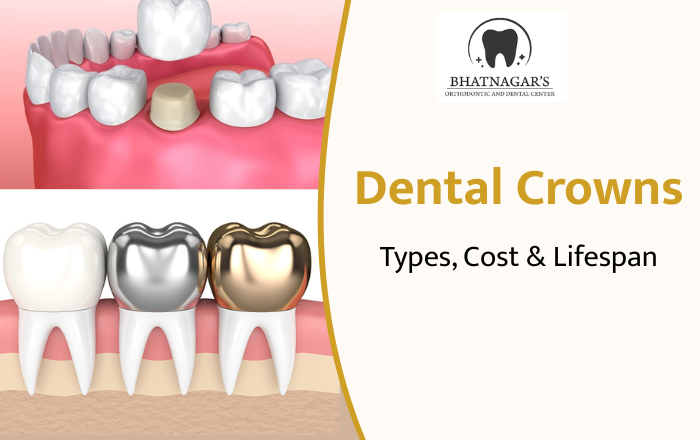
A dental crown is essentially a tooth-shaped cap placed over a damaged tooth. Unlike fillings that fill cavities, crowns cover the entire visible portion of your tooth above the gum line.
When Do You Need a Dental Crown?
You might need a crown if you have:
- A severely decayed tooth that’s too damaged for a filling
- A cracked or broken tooth
- A tooth that just had root canal treatment
- Weak teeth that need protection
- Discolored or misshapen teeth you want to improve
- A dental implant that needs covering
A dental crown is essentially a tooth-shaped cap placed over a damaged tooth. Unlike fillings that fill cavities, crowns cover the entire visible portion of your tooth above the gum line.
When Do You Need a Dental Crown?
You might need a crown if you have:
- A severely decayed tooth that’s too damaged for a filling
- A cracked or broken tooth
- A tooth that just had root canal treatment
- Weak teeth that need protection
- Discolored or misshapen teeth you want to improve
- A dental implant that needs covering
Types of Dental Crowns: Which One Is Right for You?
Choosing the right type of dental crown depends on where the tooth is located, your budget, and what matters most to you—strength or appearance.
– Porcelain or Ceramic Crowns
These dental crowns look the most natural and work beautifully for front teeth. They’re color-matched to blend seamlessly with your smile. However, they’re slightly less durable than metal options, so they’re better suited for teeth that don’t handle heavy chewing.
– Porcelain-Fused-to-Metal (PFM) Crowns
PFM crowns offer a good balance—metal strength with a porcelain coating for a natural look. They’re sturdy enough for back teeth but aesthetic enough for visible areas. The only downside? Sometimes a dark line appears near the gum line as you age.
– Metal Crowns
Gold alloy or other metal dental crowns are incredibly durable and can last 20+ years. They’re perfect for back molars where chewing pressure is strongest. The obvious drawback is their color, which makes them less popular for visible teeth.
– Zirconia Crowns
Zirconia is a modern, metal-free material that’s both strong and natural-looking. These dental crowns are becoming increasingly popular because they combine durability with aesthetics—and they won’t show that dark gum line that PFM crowns sometimes do.
– Resin Crowns
These are the most affordable dental crowns, but they wear down faster and are more prone to breaking. They work well as temporary solutions or for patients on a tight budget.
The Dental Crown Procedure: What to Expect
Getting a dental crown typically requires two visits, though same-day options are now available at some clinics.
– First Visit
Your dentist will numb the area, reshape your tooth to make room for the crown, and take impressions or digital scans. You’ll leave with a temporary crown to protect your tooth while the permanent one is being made in a lab—usually takes 1-2 weeks.
– Second Visit
The temporary crown comes off, and your dentist will fit and cement the permanent dental crown in place. They’ll check your bite and make any necessary adjustments to ensure comfort.
– Same-Day Crowns
Some dental offices now offer same-day dental crowns using digital technology. The crown is designed and milled right there in the office, so you walk out with your permanent crown in just one visit.
– How Much Do Dental Crowns Cost?
The cost of dental crowns in India varies based on the material you choose and where you’re getting treatment.
Average prices:
- Metal crowns: ₹3,000 – ₹8,000
- Porcelain-fused-to-metal: ₹4,000 – ₹12,000
- All-ceramic or porcelain: ₹8,000 – ₹20,000
- Zirconia crowns: ₹10,000 – ₹25,000
The location of your tooth, the dentist’s experience, and lab fees all affect the final price. While dental crowns might seem expensive upfront, they prevent more costly problems down the road—like tooth loss or infections.
Many dental insurance plans cover at least part of the dental crown cost, especially when it’s medically necessary. Check with your provider to understand your coverage.
How Long Do Dental Crowns Last?
With proper care, dental crowns typically last 10-15 years, though metal crowns can last 20 years or more. The lifespan of dental crowns depends on several factors:
• Material: Metal lasts longest, followed by zirconia and porcelain
• Location: Back teeth experience more pressure, so crowns there may wear faster
• Oral hygiene: Good brushing and flossing habits extend crown life
• Habits: Grinding your teeth, chewing ice, or biting nails shortens crown lifespan
• Regular checkups: Dental visits help catch problems early
Signs Your Crown Needs Replacement
Watch for these warning signs:
• Visible cracks or chips
• The crown feels loose
• Pain or sensitivity around the crowned tooth
• Decay forming at the edges
• The crown simply looks worn or outdated
Caring for Your Dental Crown
The good news? Dental crowns don’t require special care—just maintain good oral hygiene.
Daily care tips:
• Brush twice daily with fluoride toothpaste
• Floss around your crown carefully
• Use mouthwash to reduce bacteria
What to avoid:
• Hard foods like ice or hard candy
• Sticky foods that might pull the crown loose
• Using your teeth to open packages
• Grinding your teeth (ask about a night guard if you do this)
Visit your dentist regularly for cleanings and checkups. They’ll monitor your dental crown and catch any issues before they become serious.
Frequently Asked Questions
Q1. Can dental crowns fall off?
While rare, dental crowns can become loose due to weakened cement, decay underneath, or trauma. If yours falls off, save it and call your dentist immediately.
Q2. Do crowns stain?
Porcelain and zirconia dental crowns resist staining well, but resin crowns may discolor over time. The cement edges can stain if you smoke or drink coffee regularly.
Q3. Will my crown look natural?
Yes! Modern dental crowns, especially porcelain and zirconia, are designed to match your natural teeth in color and shape.
Q4. Can I whiten a dental crown?
No, dental crowns don’t respond to whitening treatments. If you want whiter teeth, whiten them before getting your crown so it can be matched to your desired shade.
Ready to Restore Your Smile?
Dental crowns are a proven solution for protecting damaged teeth and restoring your confidence. Whether you need one crown or several, choosing the right dentist makes all the difference.
If you’re looking for reliable dental crown treatment in Sector 38, Bhatnagar’s Dental Clinic offers excellent care with a focus on patient comfort and lasting results. Dr. Dipti Bhatnagar brings years of experience in restorative dentistry, ensuring your crown fits perfectly and lasts for years.
The clinic provides transparent pricing, multiple crown options to fit your needs, and a welcoming environment where your questions are always answered.
Don’t wait until a small problem becomes a bigger issue. Schedule your consultation today and take the first step toward a healthier smile!
📍 Bhatnagar’s Dental Clinic, Sector 38, Chandigarh
👨⚕️ Dr. Dipti Bhatnagar
📞 Book Your Appointment Now