
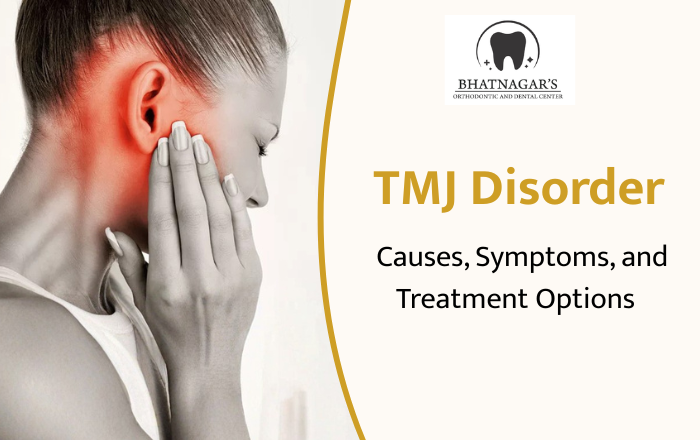
Do you wake up with a sore jaw? Does it hurt when you chew your meals? You might be dealing with TMJ disorder, and you’re not alone. Millions of people experience jaw pain daily, yet many don’t know what’s causing it or how to find relief.
TMJ disorder affects the temporomandibular joint—the hinge connecting your jawbone to your skull. This small but crucial joint helps you talk, eat, and yawn. When it doesn’t work properly, even simple activities become painful and frustrating.
TMJ disorder is treatable. Whether you’re dealing with occasional discomfort or constant pain, understanding the causes and exploring treatment options can help you get back to living comfortably.
What is TMJ Disorder?
The temporomandibular joint acts like a sliding hinge on each side of your jaw. TMJ disorder happens when this joint becomes damaged or inflamed. The condition can affect the muscles around your jaw, the joint itself, or both.
There are three main types:
– Myofascial pain – pain in the muscles controlling jaw movement
– Internal derangement – a displaced disc or injured jaw structure
– Degenerative joint disease – arthritis affecting the joint
Common Causes of TMJ Disorder
Understanding what triggers TMJ disorder helps you prevent future problems:
– Teeth Grinding (Bruxism): Many people grind their teeth at night without knowing it. This constant pressure damages the joint and causes muscle tension.
– Jaw Injuries: A blow to the face, car accident, or sports injury can harm the temporomandibular joint and surrounding tissues.
– Arthritis: Both osteoarthritis and rheumatoid arthritis can break down the joint’s cartilage, leading to TMJ disorder.
– Misaligned Bite: When your teeth don’t fit together properly, your jaw works harder during everyday activities, straining the joint.
– Stress and Tension: Anxiety often makes people clench their jaws unconsciously, creating muscle fatigue and joint problems.
– Poor Posture: Hunching over your phone or computer pulls your head forward, putting extra strain on neck and jaw muscles.
Recognizing TMJ Disorder Symptoms
TMJ disorder shows up in different ways. You might experience:
- Pain or tenderness in your jaw, especially near the ear
- Aching facial pain that spreads to your neck and shoulders
- Difficulty chewing or discomfort while eating
- A clicking, popping, or grating sound when you open or close your mouth
- Your jaw getting stuck or locked in an open or closed position
- Frequent headaches or migraines
- Ear pain without an actual ear infection
- Ringing in the ears (tinnitus)
According to research, women between ages 20-40 are twice as likely to develop TMJ disorder compared to men.
How Doctors Diagnose TMJ Disorder
When you visit a dentist or oral physician for jaw pain treatment, they’ll examine your jaw movement and check for tenderness. They’ll listen for clicking sounds and test how wide you can open your mouth.
Sometimes, imaging tests like X-rays or MRI scans help identify structural problems or damage to the joint.
Treatment Options for TMJ Disorder
Most people find relief with simple, non-surgical approaches:
Lifestyle Changes
Making small adjustments can reduce symptoms significantly:
- Eat soft foods and avoid hard, crunchy, or chewy items
- Apply ice packs to reduce swelling or warm compresses to relax muscles
- Practice stress-reduction techniques like deep breathing or meditation
- Avoid extreme jaw movements like wide yawning or loud singing
Physical Therapy
Specific jaw exercises can strengthen muscles and improve flexibility. A physical therapist teaches you stretching techniques and proper jaw positioning to relieve pain.
Medications
Over-the-counter pain relievers like ibuprofen reduce inflammation and discomfort. In some cases, muscle relaxants help ease tension, especially if you grind your teeth at night.
Oral Appliances
Custom-fitted mouthguards or splints prevent teeth grinding and reduce pressure on the joint. You typically wear these at night when grinding occurs most often.
Alternative Therapies
Some people find relief through acupuncture, massage therapy, or relaxation techniques. While more research is needed, many patients report reduced pain with these methods.
Medical Procedures
When conservative treatments don’t work, your doctor might suggest:
- Botox injections to relax overactive jaw muscles
- Arthrocentesis – a procedure that flushes out the joint
- Surgery for severe cases with structural damage (though this is rare)
Studies show that 75% of TMJ disorder cases improve within 3-6 months with proper treatment.
Preventing TMJ Problems
You can protect your jaw joint by:
- Managing stress through exercise or counseling
- Avoiding chewing gum and biting your nails
- Maintaining good posture, especially when using devices
- Getting regular dental checkups
- Addressing teeth grinding immediately with a nightguard
Frequently Asked Questions
Q1. Can TMJ disorder heal on its own?
Mild cases sometimes improve with rest and self-care, but symptoms lasting more than two weeks need professional attention.
Q2. What foods should I avoid?
Skip hard candies, nuts, tough meats, crusty bread, and anything that requires excessive chewing.
Q3. Is TMJ disorder permanent?
No. Most cases respond well to treatment. Even chronic conditions can be managed effectively.
Q4. How does stress cause TMJ problems?
Stress makes you clench your jaw and grind your teeth, often without realizing it. This constant tension damages the joint over time.
Don’t Let Jaw Pain Control Your Life
TMJ disorder affects more than just your jaw. It impacts your ability to eat comfortably, sleep well, and enjoy daily activities. The constant pain can drain your energy and affect your mood.
The good news? You don’t have to suffer. With the right treatment approach, you can find lasting relief and get back to living normally.
Get TMJ Treatment in Chandigarh
If you’re experiencing jaw pain, clicking sounds, or difficulty chewing, it’s time to take action. Dr. Dipti Bhatnagar at Bhatnagar Orthodontic & Dental Centre specializes in diagnosing and treating TMJ disorder with proven, effective methods.
As an experienced Oral Physician, Dr. Bhatnagar understands how TMJ disorder affects your daily life. She creates treatment plans tailored to your specific needs, focusing on long-term relief rather than temporary fixes.
Why Choose Bhatnagar Orthodontic & Dental Centre?
– Evidence-based TMJ treatment approaches
– Thorough evaluation and accurate diagnosis
– Multiple treatment options to fit your lifestyle
– Patient-focused care that addresses your concerns
– Proven success helping patients achieve lasting relief
Schedule your consultation at Bhatnagar Orthodontic & Dental Centre today and discover why patients across Chandigarh trust Dr. Dipti Bhatnagar for TMJ treatment.
Contact us now—because you deserve to smile, eat, and live without jaw pain.
Recent Post



Services
